


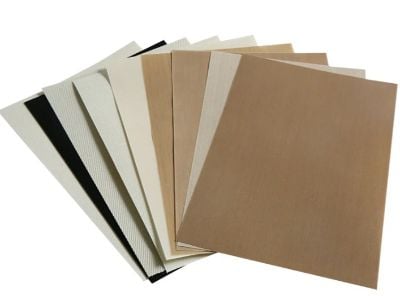
PTFE coated fiberglass fabric and silicone coated fabric are two popular materials used in lots of industries. Both have special qualities that make them good for different jobs. Companies like VEIK provide these fabrics to fit the needs of customers, from food processing up to construction. Knowing the differences between these two can help you pick the right one for your project. Let’s look deeper into what makes them different and how you decide which is best for you.
What Are the Key Differences Between PTFE Coated Fiberglass Fabric and Silicone Coated Fabric?
PTFE coated fiberglass fabric is known for its high heat resistance. It can handle temperatures up to 500°F (260°C) without breaking down. This makes it a great pick for things like conveyor belts in ovens or places with high heat. Another big thing about PTFE is its non-stick surface. So food or sticky stuff won’t stick to it, and cleaning becomes much easier. On the other hand, silicone coated fabric also gives good heat resistance, but it tends to be more flexible and softer than PTFE. It can take temperatures from -100°F (-73°C) to 500°F (260°C). Silicone is also known for water and UV resistance. That can be useful in outdoor jobs or where moisture is an issue. For durability, ptfe coated fiberglass fabric is often more rigid and handles tough conditions. But silicone coated fabric is easier to work with because of its flexibility. Each type has advantages and downsides, depending on your needs. For example, if you deal with high heat and need a non-stick surface, PTFE would be ideal. But if you need something for moisture and outdoor use, silicone might be the better option.
How to Choose Between PTFE Coated Fiberglass Fabric and Silicone Coated Fabric for Your Needs?
When you decide between PTFE coated fiberglass fabric and silicone coated fabric, there are several factors to think about. First, consider the environment where the fabric will be used. If you work in a high-temperature area, PTFE might be the better choice. It’s made to withstand extreme heat without losing its shape or quality. On the flip side, if your project involves water or outdoor exposure, silicone coated fabric is more suitable because of its water-resistant properties. Next, think about the flexibility you need. If your application requires bending or movement, silicone is usually more pliable, making it easier to handle. Consider how important cleanliness is for your project. PTFE’s non-stick surface means it is easier to clean, which can save time and effort. If you are in the food industry, this could be a big plus. Finally, think about your budget. While both fabrics are durable, ptfe coated fiberglass cloth is sometimes more expensive. Weighing these factors will help you find the right fabric for your specific needs. At VEIK, we are here to assist you in making that choice, ensuring you get the best material for your project.
How PTFE Coated Fiberglass Fabric Outperforms Silicone Coated Fabric in Chemical Resistance?
When it comes to picking the best materials for tough jobs, PTFE coated fiberglass fabric is often a better choice than silicone coated fabric, especially for resisting chemicals. PTFE stands for polytetrafluoroethylene, which sounds complicated, but it's a special kind of plastic that is very strong and doesn't break down easily when exposed to chemicals. This means that when you use PTFE coated fiberglass fabric, it can withstand spills and exposure to harsh substances without damage. For example, if you’re in a factory where strong acids or solvents are used, PTFE fabric will hold up better than silicone fabric.
Silicone coated fabric, while useful, does not have the same level of chemical resistance. It can sometimes be affected by certain chemicals, which might cause it to wear out faster. This makes PTFE a more reliable choice for industries like manufacturing, food processing, and even some medical settings where cleanliness and resistance to chemicals are important.
At VEIK, we understand how vital it is to have materials that can handle tough conditions. Our PTFE coated fiberglass fabric is designed to withstand extreme temperatures and harsh chemicals, giving you peace of mind that your projects will go smoothly. So, if you want a fabric that will stand up to the toughest challenges, PTFE coated fiberglass fabric is the way to go.
Where to Source High-Quality PTFE and Silicone Coated Fabrics for Your Wholesale Business?
If you run a business that needs high-quality fabrics, knowing where to find PTFE and silicone coated fabrics is important. At VEIK, we pride ourselves on providing top-notch materials that meet various needs. For wholesale businesses, it’s essential to find a supplier that offers reliable products along with good customer service.
When looking for PTFE coated fiberglass fabric, make sure to choose a supplier that specializes in this type of material. They should have a good reputation and be able to provide information about the fabrics, such as how they are made and their uses. At VEIK, we have a wide range of ptfe coated fiberglass fabric Nigeria that are perfect for many applications, from industrial use to home projects.
For silicone coated fabrics, it’s also important to find a trusted source. Look for companies that offer detailed information about their silicone products and how they can be used. The best suppliers will often provide samples, so you can see the quality before making a larger purchase. VEIK offers both PTFE and silicone coated fabrics, ensuring that you can find exactly what you need for your business.
In addition to quality, consider the pricing and delivery options. A good wholesale supplier should offer competitive prices and timely shipping to keep your business running smoothly. By sourcing your fabrics from VEIK, you can ensure you are getting high-quality materials that meet your needs and help your business succeed.
What Are the Benefits of Using Silicone Coated Fabric for Everyday Applications?
Silicone coated fabric has many benefits that make it a great choice for everyday use. One of the best things about silicone coated fabric is its flexibility. This means it can be used in many different situations, from baking mats in the kitchen to covers for outdoor furniture. Silicone is also known for its ability to withstand high temperatures, making it safe to use in places where heat is a concern.
Another great feature of silicone coated fabric is its water resistance. This means that if you use it for things like raincoats or tarps, it will keep you dry and protected from the rain. The fabric is also easy to clean, which is a big plus for busy people. If something spills on it, you can usually wipe it down with a cloth, and it will look as good as new.
At VEIK, we understand that people want materials that are not only functional but also safe. Silicone coated fabric is non-toxic, which means it’s safe for use in many home items, like baking sheets or cooking mats. This makes it a popular choice for people who care about what materials are in their homes.
Using silicone coated fabric can also be environmentally friendly, especially if it is made from sustainable materials. This is important for people who want to reduce waste and make better choices for the planet. Overall, silicone coated fabric is a versatile and practical option for many everyday applications, making it a smart choice for consumers.
Table of Contents
- What Are the Key Differences Between PTFE Coated Fiberglass Fabric and Silicone Coated Fabric?
- How to Choose Between PTFE Coated Fiberglass Fabric and Silicone Coated Fabric for Your Needs?
- How PTFE Coated Fiberglass Fabric Outperforms Silicone Coated Fabric in Chemical Resistance?
- Where to Source High-Quality PTFE and Silicone Coated Fabrics for Your Wholesale Business?
- What Are the Benefits of Using Silicone Coated Fabric for Everyday Applications?