


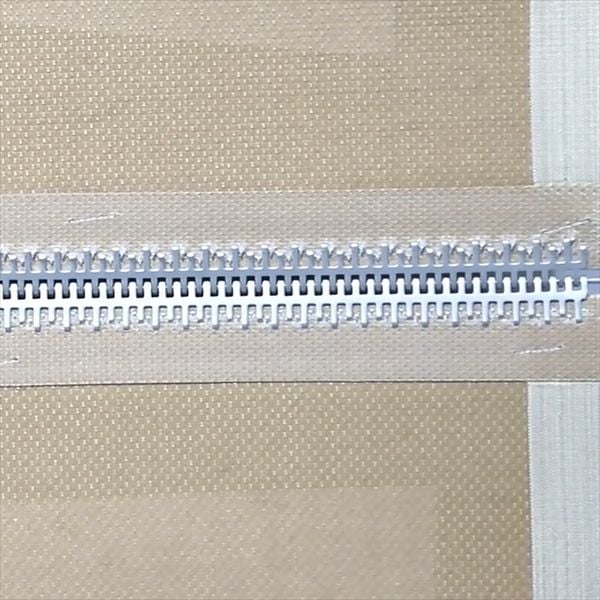
When it come to drying food, the right conveyer belt can make a big difference. At VEIK, we know that PTFE conveyor belts are a common pick for food drying. These belts are tough, bendy, and can take high heat. They also non-stick, so food don’t stick on them, which make the drying easier and cleaner. Picking the best PTFE conveyor belt for your setup ain’t always simple. You gotta consider what food you drying, the temp, and how long it take. This piece will help you figure out how to pick the right PTFE conveyor belt for food drying.
What You Need to Know
First off, lets talk about what PTFE is. PTFE is a kind of plastic that resist heat and is super slippery. This make it ideal for stuff like conveyor belts in machines. When drying food, you need a belt that can stand high temps because drying often use heat. PTFE conveyor belt can handle up to 260 degrees Celsius. That hot enough for most drying jobs!
And another key thing is the belt size. You will want to ensure it fits your machine good. If the belt too small, it won’t perform well. But if its too big, it might jam or bend. You also should think on the thickness. Thicker belts usually more durable but heavier, so they can need extra power to run.
In addition, check how easy to clean the PTFE conveyor belt. Since you dealing with food, cleanliness is super important. The non-stick side helps, as it stop food bits from sticking and cleaning become simpler. Some belts wash easy, others need special ways.
So finally, think about the price. Good quality PTFE conveyor belts cost more, but they last longer and work better. Putting money in a solid belt can save cash later, cause you replace it less. VEIK have various PTFE conveyor belts, so you can find one that fit your needs and wallet.
What Are the Common Usage Issues with PTFE Conveyor Belts in Food Drying?
Even with PTFE conveyor belts being great, they can have issues in food drying. One usual problem is the belt slipping. This happen if not tightened right or if the surface too smooth. When it slips, drying get uneven, which bad for the food. Another is wear and tear. Over time, the belt may damage from constant use or high heat. It's important to check the belt regular for signs like cracks or fraying.
Sometimes, food still stick to the belt even with non-stick. This true especially for sticky foods. In that case, you might adjust temp and time or use different method.
With this, alignment of the conveyor can be an issue. If not aligned proper, it cause operation problems. You might see the belt not moving smooth or rubbing on machine parts. Regular maintenance is key to keep things running good.
That’s why, remember different foods need different PTFE belts. For example, drying fruits might require other belt than meats because of temp and moisture. VEIK get these challenges and offer tailor-made solutions for food drying. Picking the right one and keeping it up can make your drying process go smooth.
When Choosing PTFE Conveyor Belts for Food Drying
When pick PTFE conveyor seamless belt for food drying, there several things to consider. First, look at the size. The belt need to fit perfect on your machine. If too small or big, it won’t work right. The material matter too. PTFE, that polytetrafluoroethylene, is a special plastic that take high temps and don’t stick to food. This make it good for drying. Buying in bulk can get you better deals, that why wholesale PTFE conveyor belts save money. Another is thickness. Thicker one can handle heavy loads, useful for big batches of food. You also check the surface. Some smooth for easy clean, others textured to hold food better. Lastly, look at warranty and support from maker like VEIK. Good warranty mean they help if issues, giving you peace of mind.
Food Safety with PTFE Conveyor Belts in Food Drying
Food safety very important when use PTFE conveyor belts for drying. You want no bad stuff get into food. PTFE is safe material that don’t react with food, why it popular in food biz. But still, clean them proper to avoid contamination. Use safe cleaning products. Regular clean keep belts in shape and food safe. Also, check for damage like cracks or tears, replace right away if see. Damaged belts can make food stuck or contaminated. Make sure belt work proper before start drying, that add safety. In addition, follow VEIK guidelines for use and maintenance. They have tips to keep safe and clean. And train staff on how to handle belts, clean them, and spot when replace. When all know, it ensure food safety in drying.
Benefits of Using PTFE Conveyor Belts in Food Drying
Using PTFE conveyor mesh belt in food drying industry have many pluses. One big one is they handle high temps. Drying food usually need heat, and PTFE won’t melt or damage from it, making them reliable. Another plus is non-stick. Food don’t stick, so easier to move along, reduce waste cause less food lost. These belts also strong and last long, even with heavy use. You replace less often, save money over time. Plus, they easy to clean, key for food safety, and PTFE make it simple. Because of this, they improve efficiency in operations. Your biz run smoother, food quality better. VEIK offer special PTFE belts for food, so you get what you need. Overall, its a smart pick for better products, safer food, and efficient work.