


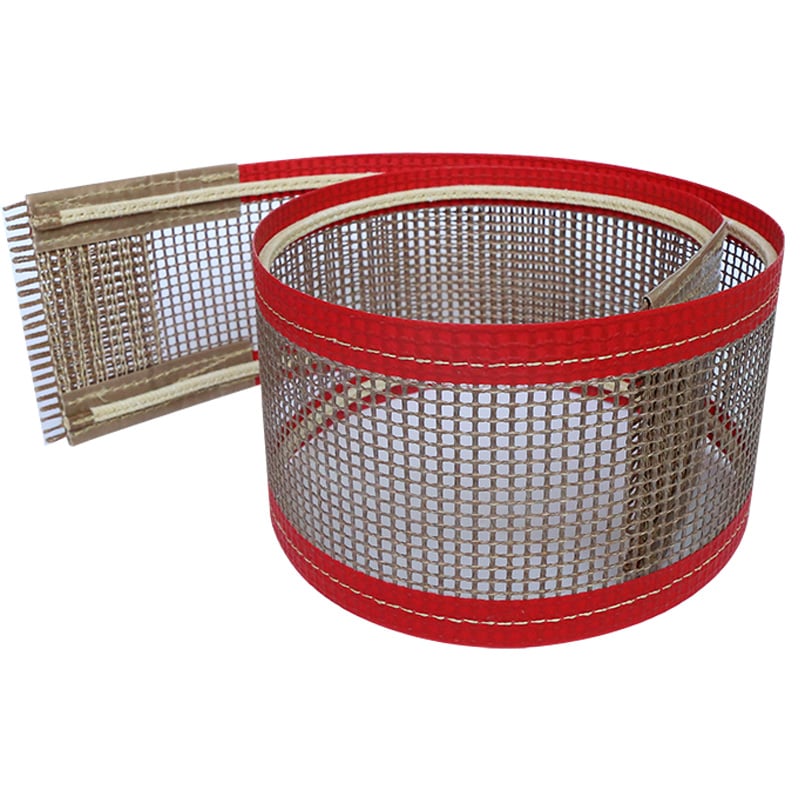
PTFE Conveyor Belts Get Popular in Textile Industry, Specially for UV Curing
PTFE conveyor belts have become quite popular in the textile field, especially during UV curing. These belts use a special material called polytetrafluoroethylene, or PTFE, which withstands heat and chemicals well. In textile manufacturing, companies use UV light to cure—or harden—materials. This requires equipment that can handle high temperatures without degrading. That’s where PTFE belts really help. They offer strength, long service life, and non-stick properties, making them ideal for moving fabrics through UV machines. Firms like VEIK select these belts because they improve curing performance and yield higher-quality textiles.
Why PTFE Conveyor Belts Are the Top Choice for Textile UV Curing
PTFE belts are the top choice for UV curing in textiles for lots of reasons. First off, they can take super high temperatures. During UV curing, fabrics go thru hot heat, and normal belts might melt or wear fast. But PTFE ones hold up without harm. So they last more, which help businesses save. Another thing is they non-stick. In curing, glue or ink get used sometimes. Non-stick help stop these from sticking on belt, avoiding production mess. If ink sticks, it ruin fabric or need extra clean time. Also, PTFE belts clean easy, saving time and cash.
What Make PTFE Conveyor Belts Key for Good UV Curing?
PTFE conveyor belts are key for good UV curing for some reasons. First, they keep the right setup for curing. That mean temp and belt speed control easy. When belt go at right speed, fabric get proper UV, curing it right. If belt too fast or slow, curing mess up, making bad products. Another why they important is chemical resist. Textile work use various chemical some harsh. PTFE resist them, so won't break down over time. This keep line running smooth. In addition, PTFE lead to less stop time. If belt break or clean often, it slow production.
How PTFE Belts Boost Lasting in Textile Making
In textile making world, lasting is big deal. Factories make fabrics with machines that run smooth and long. Here PTFE conveyor belts come in. PTFE mean polytetrafluoroethylene, fancy for strong plastic that take heat. These belts from this, perfect for hard jobs in factories. One why they last is handle high temps. In silicone coctio volventis mat like UV curing, machines get hot. PTFE work fine even temps rise. So won't melt or break, let factories run without fix stops. Another good part of PTFE belts is they fight wear and tear. In factory, machines move always, cause friction. Some stuff wear quick, but PTFE tough, take movement without damage.
How to Fix Usual Problems with PTFE Belts in UV Curing
PTFE belts great for tapisculum coquinariae siliceum cum mensuris sometimes people have issues. One common is not knowing clean and keep them right. Clean important, specially in UV curing. When ink or chemical spill, belts get slippy or sticky, hard for machines. To fix, clean regular with good stuff. Mild soap and water usually enough for buildup. This step help belts last and work better. Another problem is make sure belts align correct. If not, it wobble or off track. This stop whole line, real annoying. To stop, check alignment often. Adjust rollers and set right can help big. VEIK give tips and help for keep PTFE aligned good.
Why PTFE Belts Beat Other Stuff in Textile UV Curing
For UV curing in matella coquendi et pastillarum really stand out from others. Big plus is chemical resist. Textile use inks and dyes, harsh ones. Unlike rubber or cloth belts, PTFE not soak them, stay clean and work longer. This keep quality of belts and fabrics good. Another why better is heat handle. UV curing use light to dry inks on textiles, make lots heat. Other stuff can't take it; rubber warp or melt, cause delays. But PTFE take high temps no problem. This make them sure choice for factories need run lines good. Moreover, PTFE very smooth. Smooth need for move soft fabrics. Others bumpy or sticky, damage textiles. PTFE smooth let fabrics slide no catch or tear.