




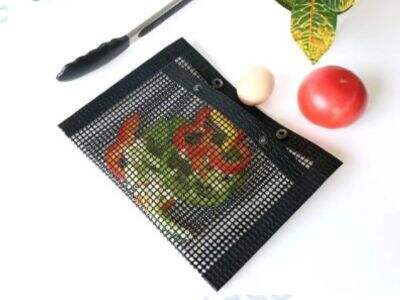
Why Restaurants Are Switching to Non-Stick BBQ Mats
Switching from using foil or trays to non-stick BBQ mats is a wise decision for restaurants. Not only do these mats improve efficiency, but they also simplify the cleanup process. Here are why more and more restaurants opt for this inventive solution from VEIK. Non-stick BBQ Mats for Streamlining Restaurants and Helping Them Be Easier to Clean Non-Stick BBQ Mats are designed for restaurants looking to optimize their cooking processes. While these mats promote the even cooking of food, they also protect it from sticking to the grill. This function frees up chefs from worrying about burnt food and guarantees more time spent on perfecting dishes. In addition, the Mats are also useful in preventing cross-contamination, which is a plus for quick-cooking restaurants. They help streamline the cooking process in ways that produce high-quality results consistently.
Enhancing Cooking Efficiency and Food Quality with VEIK Non-Stick BBQ Mats
The obnoxious part, at the end of a busy day in the kitchen, is cleaning up. Not with a gentle protective membrane. Cleaning is a breeze with the non-stick BBQ Mesh Grill Bag. The cloth can be wiped with soapy water or a cloth, eliminating the need for scrubbing or soaking in soapy water. Because the devices are resistant to fatty acid build-up and hot foods, users can clean up in minutes and be ready to serve customers in no time. Furthermore, they are reusable, which implies that users will not be required to replace them and spend additional time cleaning them out, only to throw them away after a single use like foil or trays. Stick to a practical and effective non-stick BBQ mat in order to make the grilling experience and cleanup go smoother and quicker in a busy restaurant. The Advantages of Non-Stick BBQ Mats for Grilling are a very good alternative.
Simplifying Cleanup in Busy Kitchens
Furthermore, one of the key benefits of this product’s non-stick trait is that it is re-usable and environmentally safe. It can endure high-temperature conditions and be used countless times, This eliminates the need for one-time use foil or trays, it not only saves money in the long run, but it also reduces waste produced that a restaurant may consistently generate, as a result, the restaurant can operate and minimize their environmental footprint. In conclusion, these non-stick BBQ mats can finally be implemented in the restaurants for hassle-free cleanup, provide better cook, and are cost-effective. Switching from foil or trays to non-stick mats, will make grilling personnel’s daily tasks enjoyable, and serving customers nutritious, tasty, mouth-watering cooked to perfection dishes. Common usage issues of Non-Stick BBQ Mats in Restaurants however, While the non-stick BBQ mats can provide these benefits, there are common issues a restaurant can face if not used properly as, It may get perforated if not handled carefully or cleaned as advised by the manufacturer, the mats should be stored dry and rolled up, rather than stacked if they are to provide optimal performance out of them. It can also cause flare in some uses of the non – stick BBQ mats, if not secure stably on the grill grates or it creates hot spots. That’s explicable, and the grill needed to be monitored and not to overlap or fold that create hot spots.
Environmentally Friendly and Cost-Effective Grilling Solutions
In conclusion, while non-stick BBQ Mats may present some usage challenges, they can easily be overcome with proper care and attention to detail. By observing the manufacturer’s instructions and overall due care in placing mats on the grilling equipment, non-stick mats afford restaurants the experience and resources. Thus, non-stick BBQ mats are a good product for restaurants to invest in to improve their grilling experience and the quality of meals overall. Compared to hamburgers and fish burgers in tins, dishes on the grill mat in hamburgers 8 cost for a trade, for fish burgers without tins in this case, restoration. for more details about hockey’s in a mat and wrapped in a Skin of Food and antibiotics.

