




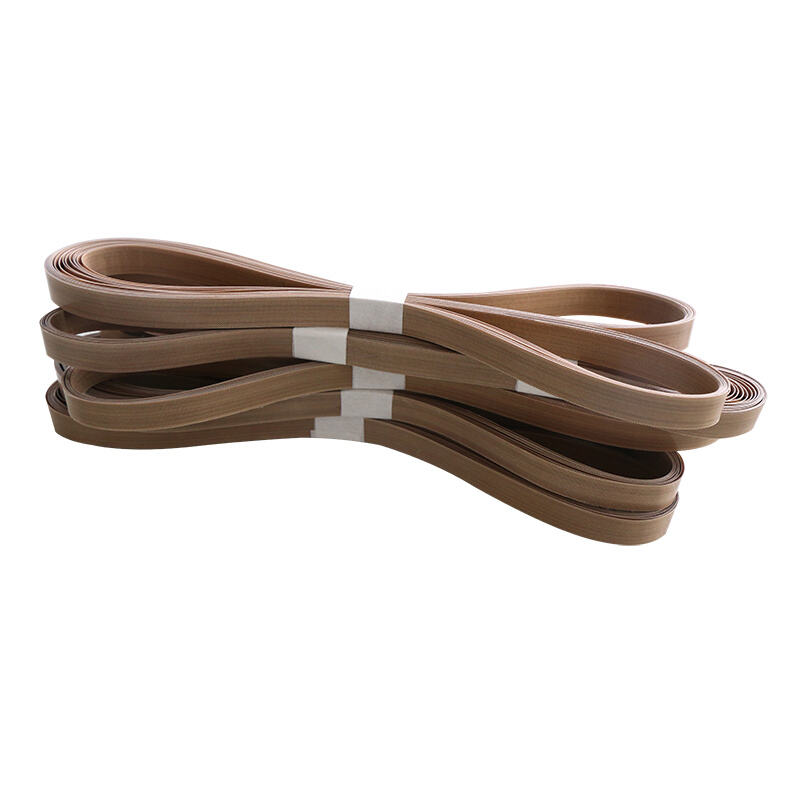
Fusing belts are an indispensable part of any equipment that combines and fuses two materials through a process of heat and pressure. Unfortunately, if your fusing belt is failing to work correctly it can bring your production to a halt or significantly reduce your speed. As VEIK we are accustomed to these problems, so let us assist with your fusing belt needs.
Common Wholesale Fusing Belt Issues
If your business is focused on wholesale apparel or the production of a similar niche, there are common fusing belt issues that occur from time to time:
Uneven Bonding occurs when a fusing belt fails to maintain a consistent heat distribution throughout. This leads to some areas of your product adhering more effectively than others, or not adhering at all and producing a less attractive finish. Slipping occurs when a loose fusing belt has inadequate traction with your fabric or when it is functioning at a speed disparate from your machine. This issue can cause fabric to slip out of place, resulting in inadequate application and a poor finish. Wear and Tear, like any belt that undergoes regular use and stresses, will begin to fray and degrade over time or with neglect. It is possible to observe this wear through the appearance of cracks, tears or deformities on the belt surface. Dirt and Lint Buildup on the fusing belt can both detract from the efficiency of the fusion process as well as have a negative impact on the aesthetic quality of your products. Each of these issues can lead to a consistent defect in your product or a decrease in production efficiency, accumulating an increasing backlog of work with the same flaw. Maintaining your machine and giving your fusing belt regular checks for damage as well as cleaning them frequently can prevent these common problems.
Troubleshooting Your Fusing Belt Performance
The first step to effectively troubleshooting your fusing belt problems is identifying their possible causes. First use a temperature gun on your fusing belt to ensure it's running consistently hot throughout. If you detect any areas with significantly cooler temperatures, you likely have a heating element problem in your machine. If you are experiencing a problem with slipping it most likely signifies the need to adjust your belt tension to the correct level to ensure maximum adhesion without damaging your belt. Daily belt cleaning should always include the use of a soft brush to remove lint, dust, and debris buildup, which can both reduce the adhesion of your belt as well as negatively affect the appearance of your final products.
Wear and Tear can usually be identified by rips and tears on the belt surface itself, at which point you should be considering replacing your fusing belt before it fully fails. Keeping records of the age of your fusing belt will enable you to predict when it will begin to fail based on the materials you're fusing-some materials demand significantly more heat and pressure to be adhered and thus will wear your belt out at a faster rate than others. The troubleshooting procedure for your machine and its operation can also reveal electrical problems related to your heating element. However, you should always begin by consulting the manual provided with your machine or contact VEIK for more advanced assistance and solutions to resolve your fusing belt issues to get your machine back in production quickly and efficiently.
Identifying Issues with Your Fusing Belt
The fusing belt is one of the more durable components within your fusing machine, however proper use and upkeep can significantly contribute to the overall quality of your products as well as keep your operation running as smoothly and efficiently as possible. Replacing a damaged, torn or worn out belt will always restore some aspect of your operation's functionality to normal levels; daily visual inspections of your belt are essential to catching signs of damage that require replacement, and increased or unusual machine noises at greater operational speeds may also signify belt wear.
Sticking fabric to the fusing belt indicates either an improperly calibrated heat setting or (more commonly) an uncleaned fusing belt. While some settings can result in the correct application, an unusually high heat setting for the materials being fused or the presence of dirt on the fusing belt may also be problematic. Adjust your machine's heat settings appropriately for the material being fused and give your fusing belt a good clean every day. Adhesion will always be ideal when the fusing belt is properly cleaned, making it far easier to adhere items correctly for each delivery deadline.
Troubleshooting Your Fusing Belt Not Heating Properly
There are several likely reasons that your fusing belt isn't achieving the proper temperature to fuse your items correctly. First, check the power source to your machine-is it correctly plugged in and is the electrical outlet functioning as expected? It’s incredibly common to overlook an issue this straightforward. If the issue isn't with the power supply, check the temperature settings-they may be incorrectly set (it’s common to forget a temperature adjustment) or there could be an issue with the internal thermostat. The heating element itself may be damaged and needs replacing. Remove your fusing belt and visually inspect it for burned spots, frayed wiring or other visible signs of damage, and make sure all connecting wires are properly seated. Further electrical issues may require professional assistance from a technician.
Find a Reliable Source for High-Quality Fusing Belts
Ensuring the correct fusing belt for your application will have significant positive affects on both your machines longevity and the overall quality of your products. When beginning the search for a new fusing belt for your machine, be sure to shop with a supplier that has extensive experience selling these components. A reliable vendor will also know what options best suited for your particular machine and application materials will produce the most optimal adhesion.
Customer testimonials can provide excellent insight into the quality and reliability of potential suppliers; so it's worth doing some research into vendors before making a commitment. You’ll find a multitude of vendors online selling fuse belts for competitive prices. Make sure you meticulously review the product description and select a belt made from high-quality materials that will last. Buying belts with a warranty are ideal as it protects your purchase. When unsure, never hesitate to seek advice from the VEIK customer support team; let us help you find the ideal fusing belt for your needs and get your production line moving again quickly and effectively.