




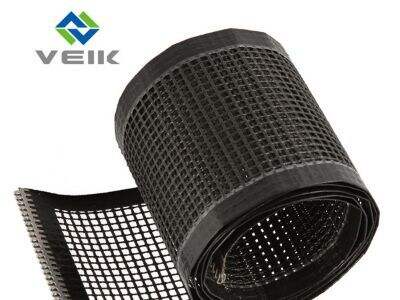
Deciding the correct cooking mat thickness for your pastry work will improve the texture, structure, and quality of your baked goods. The following factors should be considered in selecting the ideal thickness to guarantee that your pastries turn out just right.
Introduction
When choosing the correct cooking mat thickness for perfect pastries, consider the pastry’s thickness. Delicate and thin pastries such as puff pastry and phyllo dough require a low-thickness mat to ensure even baking. Moderately thick pastries such as croissants and danishes need slightly thicker mats to ensure ample support during baking.
Benefits
The ideal thickness for your pastry work would depend on the type and temperature as well as baking time your pastries require. A cook grill mat would heat up rapidly while a thicker one would take longer to bake so you can ensure your pastries are thoroughly cooked. It would help if you experimented with several thicknesses so you can determine what thickness balance works for your baking needs.
Quality
The bigger the pastries you bake, the thicker your cooking mat should be to support them during baking, while the smaller ones should have the teflon cooking mat for even heat distribution. By considering your pastry requirements, you can determine the ideal thickness for your cooking mat and achieve perfect results every time.
Application
The best thickness option for pastry is available from VEIK no matter what your needs are, there is a perfect barbecue mat to help with the work. VEIK’s high-quality pastry product can help you achieve amazing results in baking, considering a perfect thickness provides a stable and even surface for convenient dough rolling and assures that all pastries are baked properly.
Conclusion
In conclusion, achieving the best results in pastry work starts with the kind of cooking mat thickness is used. VEIK cooking mats come in several thicknesses and by using one you are assured of high-quality mats to suit any baking requirement.