


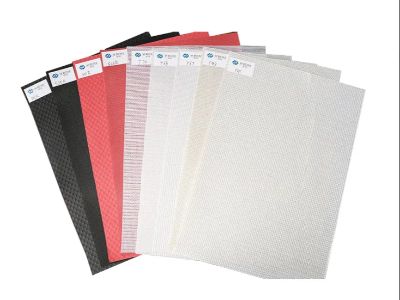
The use of silicone fabric in welding blankets are getting more popular, and it's not hard to see why. Welding blankets helps protect workers and gear from sparks, heat, and other dangers during welding. VEIK use silicone fabric for their blankets because it got many good qualities. Silicone fabric is really strong and can deal with high heat, which make it ideal for welding work. Plus, it cleans easy and last long. So workers can concentrate on jobs without worry about safety or damage to equipment. Let's look closer at why silicone fabric is such a good choice for welding blankets.
What Make Silicone Fabric the Best Pick for Welding Blankets?
Silicone fabric stand out as a top option for welding blankets for a few reasons. First off, it can handle very high temperatures, often up to 1,000 degrees Fahrenheit. This matter because welding produce intense heat, and a blanket that manage this keep everyone safe. It also protect nearby areas and tools from fire. Another thing is its durability. Unlike some materials, silicone don't wear out fast. It resist tears and cuts, which is huge in a busy welding spot. Picture a blanket that stay tough even after lots of use! And silicone fabric is water-resistant, so Composite tape won't absorb spills or wet. This help its lifespan and make cleaning simple. Just wipe off dirt or grime, and it's good as new! Last, silicone fabric don't release bad fumes when heated, which is better for workers health. Choosing silicone for welding blankets mean you get a lasting, safe, and dependable product.
What Are the Main Benefits of Silicone Fabric in Welding?
There is many benefits to using silicone fabric in welding jobs. One big one is safety. Because silicone handle high heat, it reduce fire risks. This keep workers safe and the area secure. In addition, flexibility is key. Silicone fabric can come in various sizes and shapes. So it fit different spots and needs, useful for all kinds of welding. The light weight of silicone fabric make it easy to handle too. Workers can move blankets without getting tired. Also, it's resistant to chemicals, which guard against spills that might ruin other stuff. That mean less concern about damage and more time for work. Finally, the cost-saving of silicone can't be ignored. Seamless tape might cost more upfront, but because it last longer than cheap options, it's a smart buy in the end. Using silicone for welding blankets is wise because it safe, flexible, easy, and save money over time.
How to Pick the Right Silicone Welding Blanket for You
Picking the right silicone welding blanket is key for safety and good results. First, think about size. Blankets come in different sizes. For small projects, a smaller one might work fine. But for larger ones, get a bigger blanket to cover more. Measure your welding area to get the fit right.
Next, look at the heat rating. Silicone blankets can take high heat. Some handle up to 500 degrees Fahrenheit. Choose one that match the heat in your work to avoid accidents or workspace damage.
Also, check thickness. Thicker ones give better shield from sparks and heat. But Glass fiber adhesive tape can be heavier and harder to move. If you want light, go thinner, but ensure it still protect well.
Another thing is weight. Heavier blankets stay put better, but harder to carry. For frequent moving, lighter is more handy.
Finally, see the care info. Some clean easy, others need special treatment. Pick one that suit your habits. With this, you can choose the best silicone welding blanket for your needs!
What Wholesale Buyers Need to Know About Silicone Welding Blankets
If you're a wholesale buyer wanting silicone fabric welding blankets, there's some important stuff to know. First, quality count a lot because it affect performance. High-quality ones resist heat and sparks better. When buying bulk, check quality to give your customers the best.
Next, consider price. Compare suppliers, but cheapest isn't always best. Sometimes paying extra get you a superior product. Look for ones like VEIK with good quality at fair price.
Also, mind the minimum order. Some require big quantities for deals. Make sure it fit your budget and needs. If starting small, find suppliers with lower mins.
Delivery time matter too. For large orders, you want to know when it arrive. Choose suppliers that deliver on time so you meet customer needs without holdups.
Last, customer support is crucial. Work with ones who help if questions or problems come up. Good talk make everything smoother. Keeping these in mind help wholesale buyers decide smart on silicone welding blankets.
How Silicone Welding Blankets Compare to Old-School Materials
Silicone fabric welding blankets got lots of pluses over traditional ones like cotton or fiberglass. Main one is heat handling. Silicone can take much higher temperatures than cotton. Cotton might burn or catch fire at high heat, but silicone stay safe and guard your space. That's why it's better for tough welding tasks.
Another plus is lasting power. Silicone blankets are strong and endure long. They resist tears and wear, key when moving them often. Old materials wear quick, but silicone handle welding demands way better.
Silicone are easy to clean too. Get sparks or dirt? Wipe with damp cloth usually. Traditional ones might need special clean or get damaged in wash. This make silicone more friendly to use.
In addition, silicone is lighter than some old materials. Easier to carry and place while working. You won't tire as much on big projects.
Finally, silicone blankets often more fire-proof than others. This extra safety give peace of mind in risky spots. Overall, silicone offer better heat resistance, strength, cleaning ease, and safety than traditional. Picking silicone is a good move for your welding. At VEIK, we proud to offer quality ones that meet these.
Table of Contents
- What Make Silicone Fabric the Best Pick for Welding Blankets?
- What Are the Main Benefits of Silicone Fabric in Welding?
- How to Pick the Right Silicone Welding Blanket for You
- What Wholesale Buyers Need to Know About Silicone Welding Blankets
- How Silicone Welding Blankets Compare to Old-School Materials