


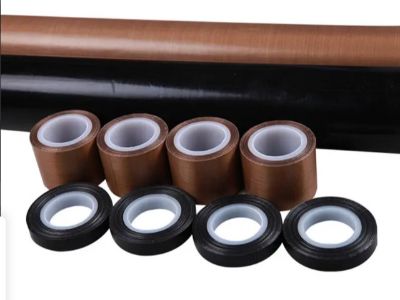
Choosing the right thickness for a Teflon baking sheet can make a big difference when baking. Teflon sheets stop food from sticking and make cleaning simple. But not every baking sheet is alike. They have various thicknesses, and selecting the good one matters. Thicker sheets can deal with high heat better, while thinner ones are easier to carry and store. Here we talk about picking the best thickness for your baking. VEIK produces good reusable teflon baking sheet that fit many bakers, whether you are new or a pro.
What Thickness of Teflon Baking Sheet Is Best for Pro Bakers?
Pro bakers usually need sheets that take heavy use. They bake lots at once, and sheets must last long. For them, a thicker Teflon baking sheet is often the best choice. Thicker ones hold up to high temperatures and are less likely to warp or bend. This matters when baking cookies, cakes, or bread that need even heat. For instance, with a big batch of cookies, a thick sheet helps bake them evenly and not burn the bottoms. Thicker sheets also aid in heat spread, so baked goods come out perfect. But they are heavier to move. That's why you should think about if you need to lift a big tray of cookies or cake.
And if you are a pro baker working with delicate things sometimes, a thinner sheet might work better. A thin Teflon sheet is easier to handle and good for soft items like pastries. You can stack more in a small space because they are light and easy to store. The choice depends on what you bake most. If you bake bread and cookies a lot, pick a thicker one. But for small pastries or to save space, a thinner one will do.
Is Thickness a Factor?
Yes, thickness sure is a factor for a Teflon baking sheet. It affects how the sheet performs. Thicker sheets usually have better heat retention, which is great for baking. They also fight warping, which can happen in high heat. For example, a thin sheet left in the oven for too long may bend and not stay flat. This can ruin baking.
On the other side, thinner sheets are more flexible. This helps remove baked goods easily. If you bake thin cookies, a thin sheet lets you lift them quickly without breaking them. However, for heavy stuff like lasagna, a thicker sheet provides better support.
Another point is storage. Thicker sheets take up more space, which can be a problem in a small kitchen. If space is limited, thinner sheets fit better in cabinets. You can stack them easily too. So consider your kitchen space and how often you bake when choosing thickness. VEIK has a variety of teflon baking mat, so you can find the perfect one for your style and needs.
What Thickness Options Are Available for Wholesale Teflon Baking Sheets?
When buying Teflon baking sheets, know that they come in different thicknesses. At VEIK, we give options to help you find the best one for baking. Usually, they come in three main types: thin, medium, and thick. Thin sheets are around 0.1 mm, lightweight, and easy to handle. They are good for quick tasks like baking cookies. But because they are thin, they do not hold high heat well and can warp if exposed to too much heat or heavy food.
Medium sheets, about 0.2 mm, offer a good balance. They are stronger than thin sheets but still easy to use. They are perfect for most baking tasks, from cookies to vegetables. They provide even heat without being too heavy. Then there are thick sheets, 0.3 mm or more, which are very sturdy and can take lots of heat. They are great for heavy items like bread and will not warp easily. Picking the right one depends on what you bake. For thin cookies, thin sheets are best. For versatility, medium sheets are a smart choice. For heavy baking, thick sheets work best. At VEIK, we make sure you get the tools needed to make baking fun.
How to Choose the Right Thickness of Teflon Sheets for Even Baking?
Picking the right thickness for Teflon baking sheets is key to getting even results. Heat needs to spread evenly across the food. If a sheet is too thin, it may not hold heat well, causing uneven baking for cookies or cakes. This can lead to burned edges and a raw middle. On the other hand, a sheet that is too thick might take longer for heat to reach the food, which can also affect baking.
To find the right one, think about what you are cooking. For light items like cookies or pastries, a medium sheet is usually best. It allows heat transfer for even baking and is not too heavy. If you need things to rise, like bread or cakes, a thicker sheet is better. Thick sheets help maintain a steady temperature, giving baked goods a chance to rise evenly and cook without burning. At VEIK, we suggest thinking about how often you bake and what recipes you use. If you bake a lot and try different things, having a mix of thicknesses can help. Then you can choose the best one for each dish. The right thickness can make a big difference in your results.
What Are the Benefits of Thicker Teflon Baking Sheets?
Choosing thicker Teflon baking sheets has many benefits. First, they are durable. At VEIK, we know thicker sheets can withstand high temperatures without warping or bending. This is especially important for heavy items that put pressure on the sheet. Thicker sheets stay flat and stable for your food. This means less uneven baking or burned edges that can ruin recipes. Another benefit is that thick sheets help with heat distribution. They hold heat better than thin ones and transfer it more evenly to the food. This is important for getting perfect results every time. Even heat helps cookies and cakes cook consistently, giving them the nice color and flavor everyone loves.
Lastly, thick Teflon sheets are easy to clean. The coating is non-stick, so food does not stick to them. Because they are thicker, they are less likely to tear or get damaged. Cleanup is quick, so you can spend more time enjoying your baked goods and less time scrubbing. Overall, getting thicker reusable teflon baking sheet from VEIK can improve your baking and help you create great treats with ease.